Shape-shifting: Why Our Bodies Rearrange Fat As We Age And Exactly How To Handle It
@spencerfnoa831
Is It Typical For The Body To Get Larger As You Age, And Why? Ubie Medical Professional's Note As we age, our bodies transform and so does just how we see ourselves. Many people have problem with shedding their vibrant appearance. We might really feel less eye-catching or preferable, which can make us troubled and doubt ourselves. We could additionally compare ourselves to others who look more youthful, which can make us really feel also worse. Even a healthy and balanced individual's blood vessels and arteries become slightly less supple with time, which can contribute to hypertension. It's never too early (or far too late) to adopt a preventative way of living, that includes routine testing. Healthy and Website link balanced guys ought to get their blood pressure examined annually and their cholesterol inspected at least every 5 years; you might need to be evaluated regularly relying on your danger elements.
Help My Hormones?
Any remaining chubbiness in the center is redistributed so that the abdomen is flat (unless there's stomach fat caused by way of life issues or genes). Muscle mass builds, contributing to a stronger, leaner body. Your body type affects how you react to exercise and diet plan.Your Bag Is Empty, Get Started With Recommended Products Below, Or
What month is the hardest to drop weight?
Lots of people find fat burning harder in the cold weather than at other seasons. Colder weather condition, much shorter days, vacation routines, and comfort-food yearnings can all affect consuming practices and exercise. If you have a hard time to handle your weight in winter season, you''re not the only one.
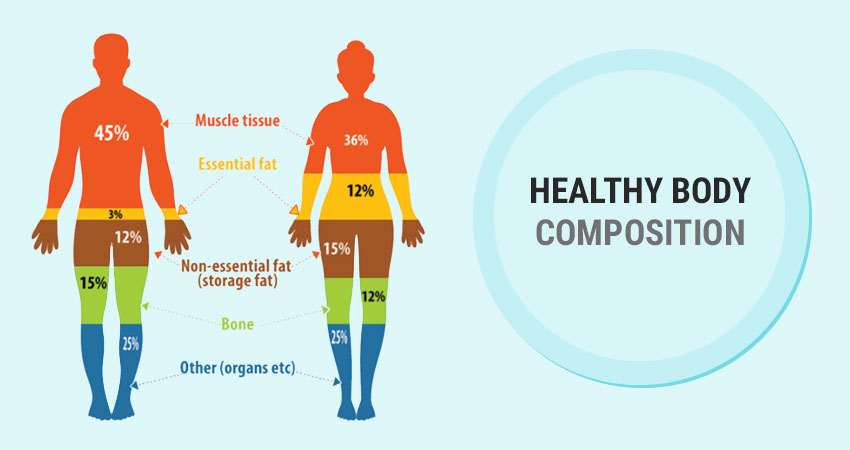
- It's even more typical amongst ladies, and it may be part of the factor they usually live longer than males.
- This is crucial to remaining healthy and balanced for the long run and simplifying weight problems administration.
- At Versalie we highly support for the inclusion of varied voices, identities, and bodies in medical care conversations.
- Around maternity, throughout the month, or perhaps throughout a solitary day, our weight can change.
- Muscle mass, fat, and skin all resolve at different prices and it can take a number of months to actually recognize the end outcome.
◇